
Equipment selection
Plate-Loaded vs Selectorized Gym Machines: How to Choose for a Commercial Gym
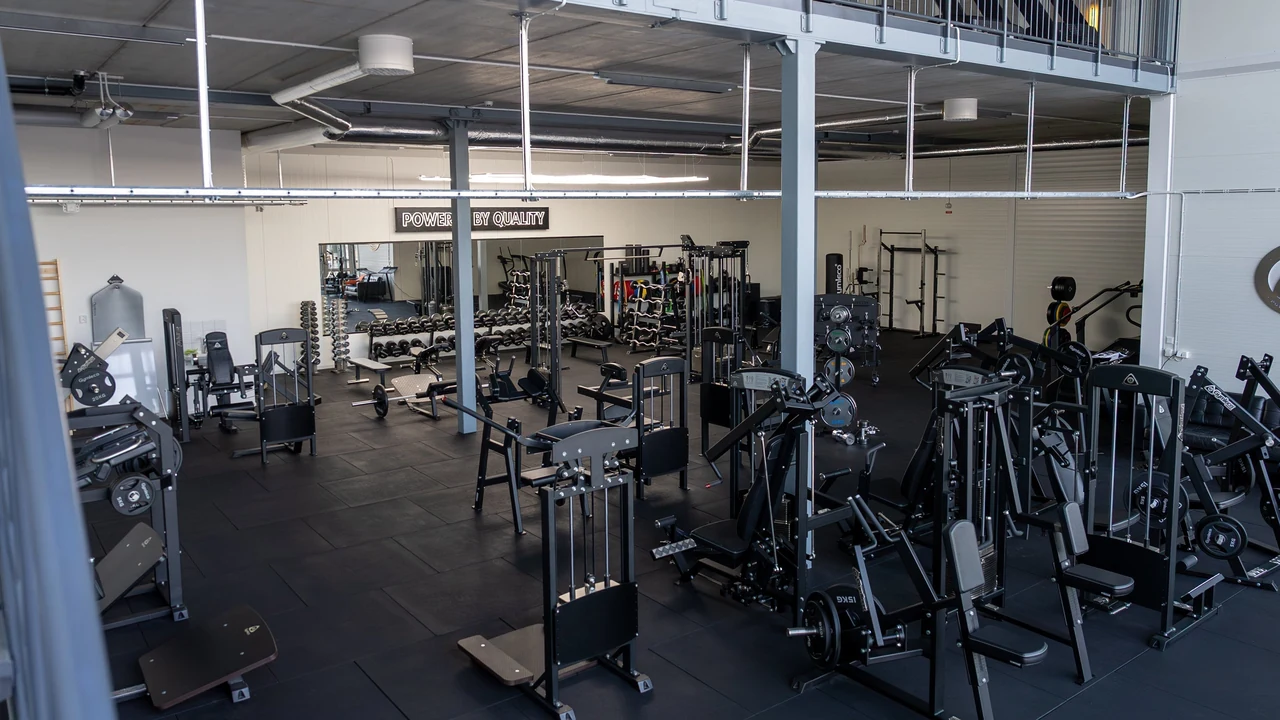
Plate-loaded and selectorized machines both build strength. The real question is which mix fits your members, your floor and the way your gym runs at its busiest hour.
This guide compares the two formats for gym owners, hotel operators and developers planning or upgrading a strength area in the UAE and the GCC.
1. What is the difference?
The difference is where the weight comes from and how it is changed.
- Selectorized machines have a built-in weight stack. The user moves a pin to choose the load, and a cable or belt carries it to the handles or pads.
- Plate-loaded machines have no stack. The user loads weight plates onto horns on a lever arm, so the load can go much higher and change in small or large steps.
Many partner brands build the same movement in both formats. Gymleco, for example, offers a plate-loaded 010 Seated Row and a selectorized 310 Seated Row, so you can choose the format without changing the exercise.
| Factor | Selectorized | Plate-loaded |
|---|---|---|
| How the load changes | Pin in a built-in weight stack | Plates loaded onto a lever arm |
| Best suited to | New members, hotel guests, residents, circuits | Strength and performance users, personal training |
| Space | Self-contained, tidy floor | More room to load, plus plate storage |
| Speed between users | Seconds to change weight | Slower; depends on re-racking |
| Main wear parts | Cables or belts, pulleys, guide rods | Pivots, bearings, plates |
2. Start with who trains on your floor
Your members decide the mix more than the machines do.
Hotel guests, residents and new members usually want to sit down, set a weight and train with little instruction. Selectorized machines suit them well. Strength athletes, personal-training clients and performance users often want heavier loads and a feel closer to free weights, which plate-loaded machines provide.
Both formats deliver results. In a 10-week randomised trial with untrained men, those training on machines and those using free weights made similar gains in strength and muscle size. So choose for ease of use, supervision and member experience, not for promised results.
3. Plan space, flooring and storage
Plate-loaded zones need more room around each machine than the machine alone suggests.
Plate-loaded machines often have long lever arms and need space to load plates safely, plus plate storage close by. Expect more impact on the floor, so plan heavier flooring in this zone. Selectorized machines are self-contained and keep the floor tidy, but check the height of the stack and frame against your ceiling, and the delivery route for heavy, assembled units. Always work from each manufacturer's footprint and clearance.
4. Think about speed at peak hours
At the busiest hour, the time it takes to change weight affects how many members each machine serves.
Changing a pin takes seconds, so selectorized machines turn over quickly between users and suit circuits and busy evening slots. Plate-loaded machines take longer to load and unload, and they work only when members re-rack their plates. If your gym is busy in short peaks, give selectorized machines a larger share of the floor.
5. Compare maintenance and running costs
The parts that wear are different, so the maintenance plans are different too.
Selectorized machines have cables or belts, pulleys and guide rods that need regular inspection and replacement over time. Plate-loaded machines have fewer moving parts, mainly pivots and bearings, but plates and storage get heavy daily use. For both, agree a preventive maintenance schedule and check how spare parts are supplied before you buy.
6. Plan a mix, zone by zone
For most commercial facilities, the answer is not one or the other but the right proportion of each.
- Hotel and residential gyms: mostly selectorized, with a compact plate-loaded or free-weight area if guests and residents ask for it.
- Commercial gyms: a balanced mix, with selectorized machines for guided training and a plate-loaded zone next to free weights.
- Performance and strength facilities: mostly plate-loaded and free weights, with selectorized machines for isolation and rehabilitation work.
Decide the mix while the layout is being drawn, as set out in our guide on how to plan a commercial gym in the UAE.
How Infinity helps you choose
Infinity's partner brands cover both formats, including Arsenal Strength Reloaded plate-loaded and M1 selectorized machines, MaxPump, PantheonTech, Atlantis Strength and Gymleco. Since 2018 we have delivered more than 750 projects, including more than 300 commercial gyms, and we plan the strength floor with you: the mix, the layout, flooring, installation and after-sales support.
Frequently asked questions
Are selectorized machines better for beginners?
They are usually easier to start on: the user sets the weight with a pin and the path of movement is guided. Research on untrained adults found similar gains in strength and muscle size whether they trained on machines or free weights, so the choice is more about ease of use and supervision than results.
Do plate-loaded machines need more space?
Often yes. Many plate-loaded machines have a long lever arm, and the area also needs storage for plates and room to load them safely. Use each manufacturer's footprint and recommended clearance when you plan the layout.
Can a commercial gym use only one type?
It can, but most facilities are better served by a mix. Selectorized machines suit quick, guided training for a wide range of members, while plate-loaded machines suit heavier, performance-focused training. The right ratio depends on your members and your floor.
Sources
- Plate loaded machines — Gymleco (official collection page)
- Selectorized gym machines — Gymleco (official collection page)
- Aerenhouts D, D'Hondt E. Using Machines or Free Weights for Resistance Training in Novice Males? A Randomized Parallel Trial. Int J Environ Res Public Health, 2020
Regulations change. Confirm current requirements with the relevant authority before you commit to a site or fit-out programme. This article is general guidance, not legal advice.